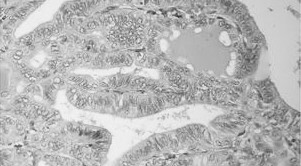
Head and Neck Pathology: Abstract. Thyroid carcinomas of follicular epithelial derivation are common and generally well-behaved malignancies with excellent cure and survival rates. However, a subset of these carcinomas, whether well-differentiated, poorly differentiated, or anaplastic, is highly aggressive, manifesting with local invasion, recurrence, and distant metastasis. The recognition of dedifferentiation is of paramount importance. InSigueSigue leyendo «When Thyroid Carcinoma Goes Bad: A Morphological and Molecular Analysis.»
Archivo del autor: patologiadrgreco
Metastasis to the Thyroid Gland: A Critical Review (Open Access).
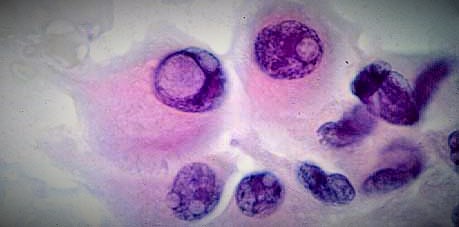
Annals of Surgical Oncology. Abstract. Background: Metastasis to the thyroid gland from nonthyroid sites is an uncommon clinical presentation in surgical practice. The aim of this review was to assess its incidence management and outcomes. Methods: A literature review was performed to identify reports of metastases to the thyroid gland. Both clinical and autopsy seriesSigueSigue leyendo «Metastasis to the Thyroid Gland: A Critical Review (Open Access).»
Values of molecular markers in the differential diagnosis of thyroid abnormalities
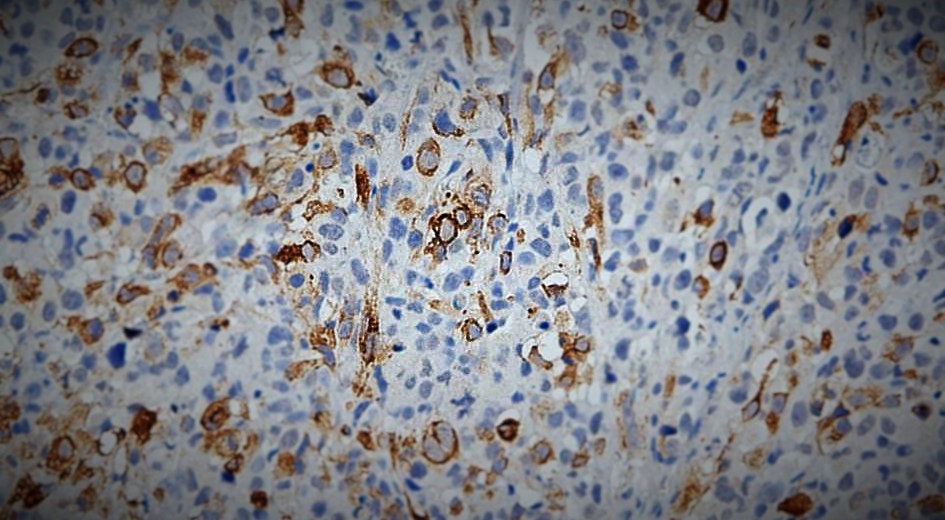
Journal of Cancer Research and Clinical Oncology Abstract. Introduction: Thyroid cancer (TC), follicular adenoma (FA) and Hashimoto’s thyroiditis (HT) are three of the most frequently reported abnormalities that affect the thyroid gland. A frequent co-occurrence along with similar histopathological features is observed between TC and FA as well as between TC and HT. The conventionalSigueSigue leyendo «Values of molecular markers in the differential diagnosis of thyroid abnormalities»
Spanish consensus for the management of patients with anaplastic cell thyroid carcinoma.
Abstract. Anaplastic thyroid cancer (ATC) is the most aggressive solid tumor and almost uniformly lethal in humans. The Boards of the Thyroid Cancer Group of the Spanish Society of Endocrinology and Nutrition and the Grupo Español de Enfermedades Huérfanas e Infrecuentes of the Spanish Society of Oncology requested that an independent task force draft aSigueSigue leyendo «Spanish consensus for the management of patients with anaplastic cell thyroid carcinoma.»
Nomenclature Revision for Encapsulated Follicular Variant of Papillary Thyroid Carcinoma.
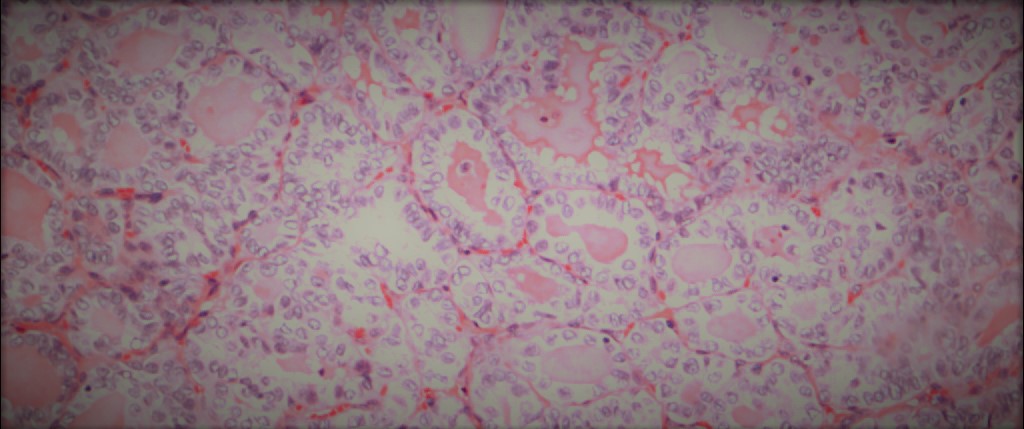
Abstract. Importance Although growing evidence points to highly indolent behavior of encapsulated follicular variant of papillary thyroid carcinoma (EFVPTC), most patients with EFVPTC are treated as having conventional thyroid cancer. Objective To evaluate clinical outcomes, refine diagnostic criteria, and develop a nomenclature that appropriately reflects the biological and clinical characteristics of EFVPTC. Design, Setting,SigueSigue leyendo «Nomenclature Revision for Encapsulated Follicular Variant of Papillary Thyroid Carcinoma.»
Encapsulated Follicular Variant of Papillary Thyroid Carcinoma: Fine-Needle Aspiration with Ultrasound and Histologic Correlation of 41 Cases.
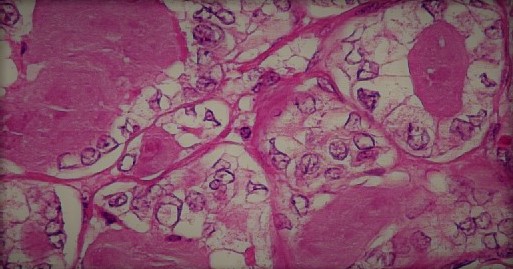
Abstract. Objective: The encapsulated follicular variant of papillary carcinoma (FVPC) was recently reported to have genetic alterations and biological behavior closer to follicular adenoma/carcinoma than classic papillary carcinoma and unencapsulated FVPC. The objective of this study is to alert cytologists to this new subtype and to report our experience. Study Design: Cytology of 41SigueSigue leyendo «Encapsulated Follicular Variant of Papillary Thyroid Carcinoma: Fine-Needle Aspiration with Ultrasound and Histologic Correlation of 41 Cases.»
Cytological Diagnosis of Follicular Variant of Papillary Thyroid Carcinoma before and after the Bethesda System for Reporting Thyroid Cytopathology.
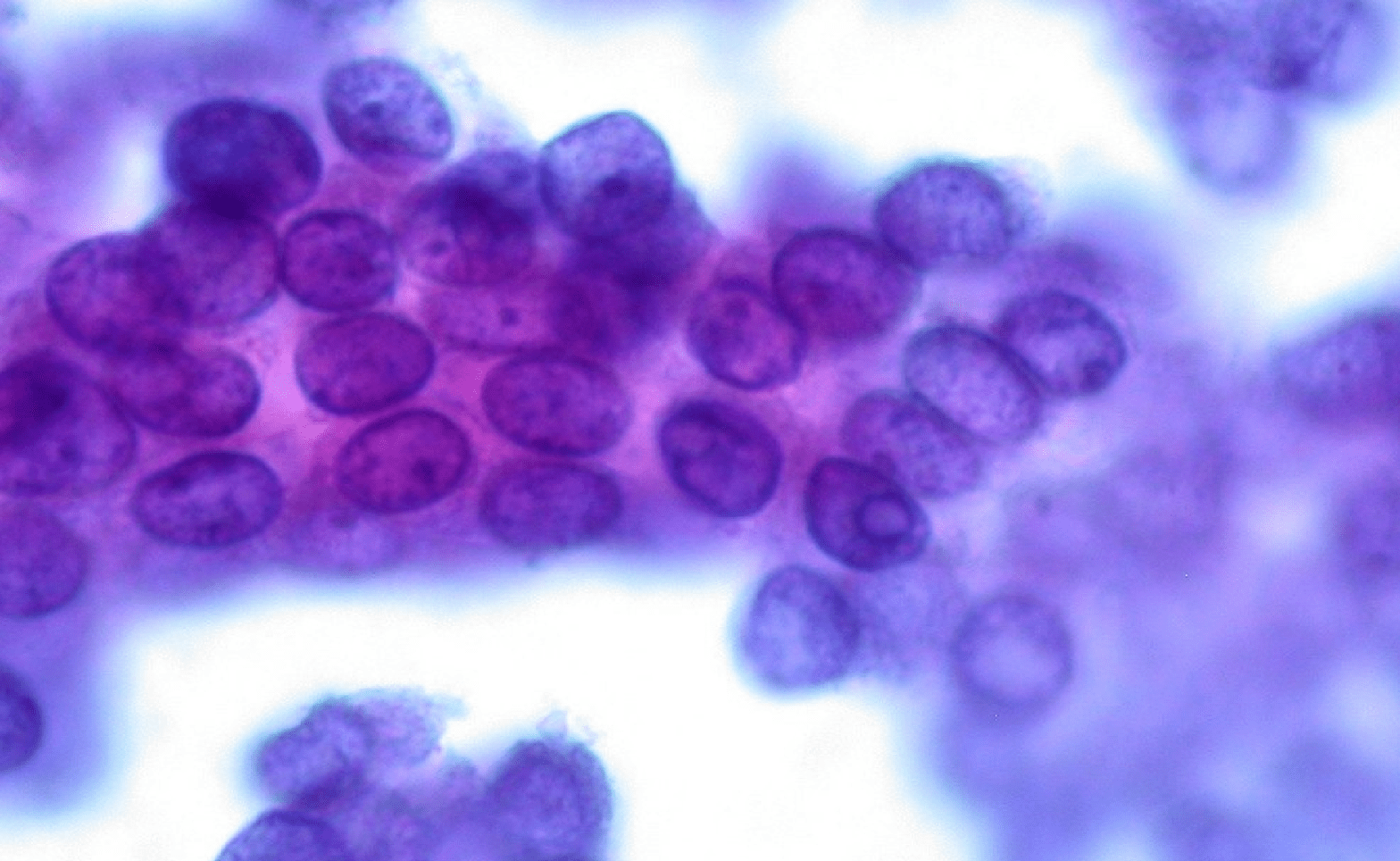
Abstract. Background: The follicular variant of papillary thyroid carcinoma (FVPTC) is the second most common subtype of papillary carcinoma after the classical variant. The Bethesda System for Reporting Thyroid Cytopathology (TBSRTC) has been introduced to standardize the practice of thyroid fine needle aspiration (FNA) reporting. We evaluated the impact of TBSRTC on the FNA interpretationSigueSigue leyendo «Cytological Diagnosis of Follicular Variant of Papillary Thyroid Carcinoma before and after the Bethesda System for Reporting Thyroid Cytopathology.»
New Concept of the Encapsulated Follicular Variant of Papillary Thyroid Carcinoma and Its Impact on the Bethesda System for Reporting Thyroid Cytopathology: A Single-Institute Experience.
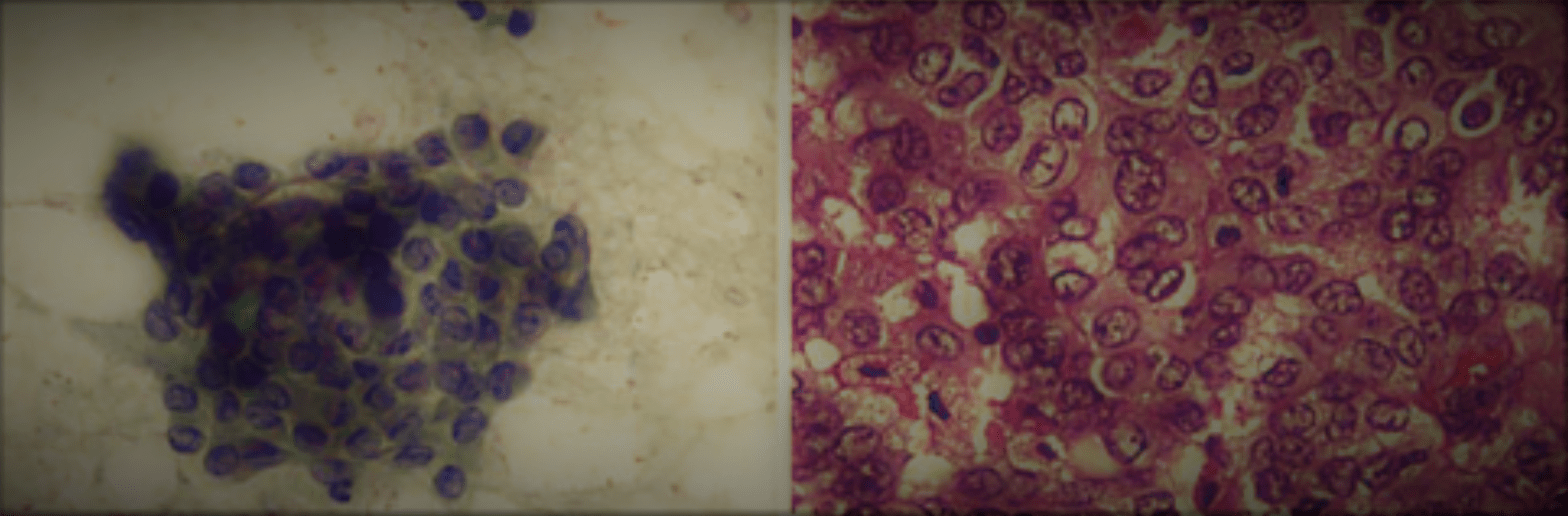
Abstract. Background: The encapsulated follicular variant (EFV) of papillary thyroid carcinoma (PTC) is the most discussed entity in thyroid pathology. Recently, the question of whether or not EFV-PTC is a malignant entity has been the subject of renewed discussion in the light of recent molecular and clinical studies. The aim of this study was toSigueSigue leyendo «New Concept of the Encapsulated Follicular Variant of Papillary Thyroid Carcinoma and Its Impact on the Bethesda System for Reporting Thyroid Cytopathology: A Single-Institute Experience.»
Risk of HSIL (CIN 2–3) on colposcopic biopsy is minimal in postmenopausal women with LSIL on cytology and a negative HRHPV test.

Abstract. Background: Current cervical cancer screening guidelines recommend a 1-year follow-up period for patients with a postmenopausal low-grade squamous intraepithelial lesion (LSIL) who are test negative for high-risk human papillomavirus (HrHPV). The aim of this study was to assess whether such patients had an increased immediate risk of high-grade squamous intraepithelial lesion. Methods: We assessedSigueSigue leyendo «Risk of HSIL (CIN 2–3) on colposcopic biopsy is minimal in postmenopausal women with LSIL on cytology and a negative HRHPV test.»
Management of ASC-US or LSIL of the uterine cervix with human papilloma virus infection among young women aged less than 25 years.
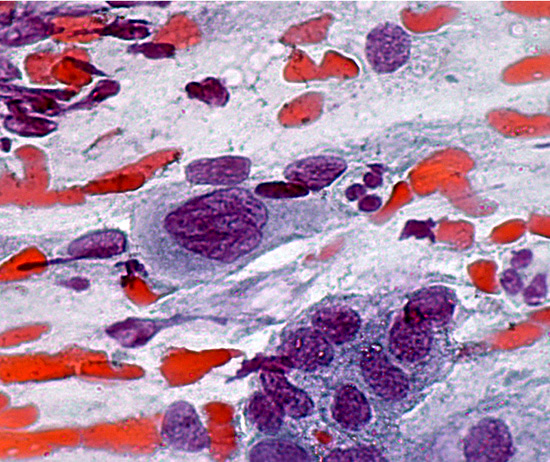
Abstract.Current ASCCP guidelines recommend repeat cytology 12 months after HPV-positive results in women aged 21–24 years with either atypical squamous cells of undetermined significance (ASCUS) or a low-grade squamous intraepithelial lesion (LSIL). The purpose of this study was to validate an algorithm in such women with ASCUS or LSIL. A multicenter cross-sectional study was carriedSigueSigue leyendo «Management of ASC-US or LSIL of the uterine cervix with human papilloma virus infection among young women aged less than 25 years.»
Breslow density is a novel prognostic feature in cutaneous malignant melanoma.
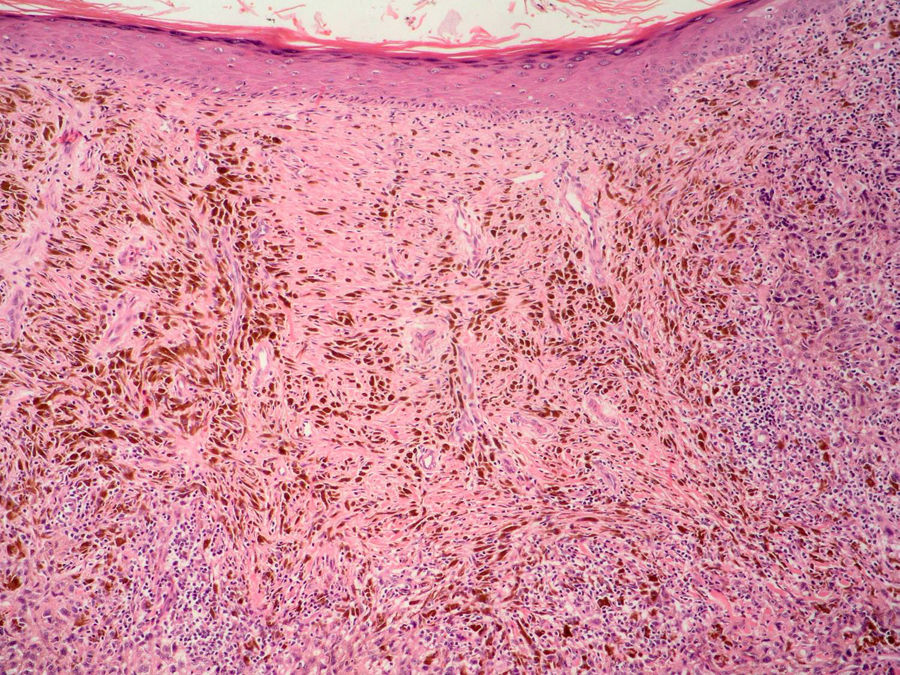
Abstract. Aims: In 1970, Breslow described his eponymously named thickness measurement. No-one has sought to enhance the Breslow thickness (BT). The aim of this study was to demonstrate a proof of concept that the density of melanoma cells at the position where the BT is measured is a morphological prognostic biomarker, which we nameSigueSigue leyendo «Breslow density is a novel prognostic feature in cutaneous malignant melanoma.»
The Role of Gynecological Cytology in the Era of Molecular Testing.
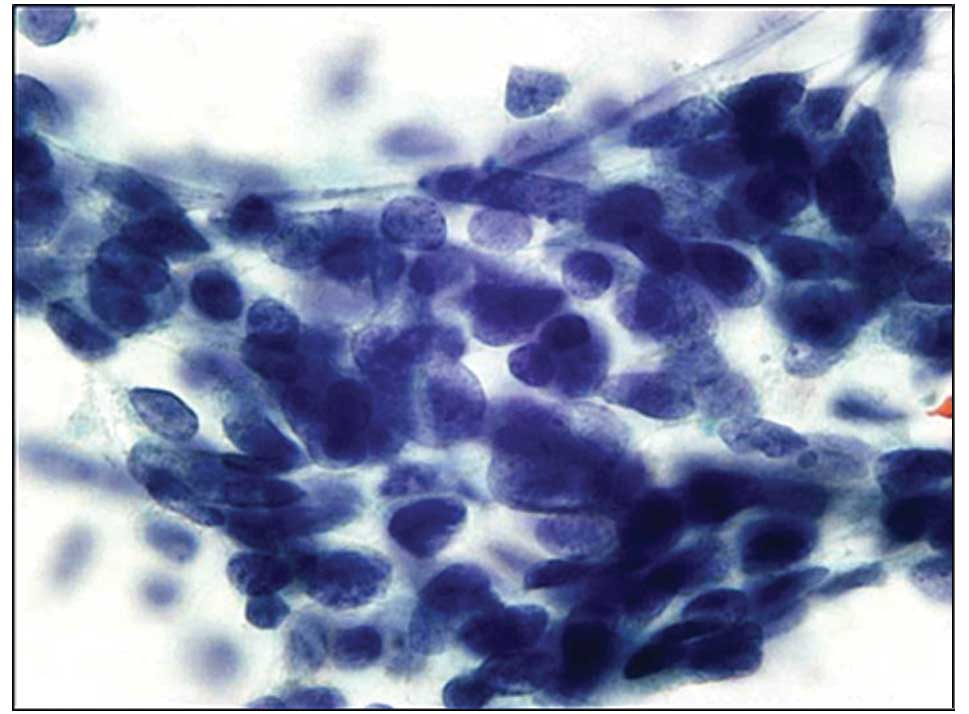
Acta Cytologica 2016;60:499-500. (DOI:10.1159/000452687). The Role of Gynecological Cytology in the Era of Molecular Testing. Longatto-Filho A. Molecular Oncology Center, Barretos Cancer Hospital, Barretos, and Laboratory of Medical Investigation 14, Faculty of Medicine, São Paulo University, São Paulo, Brazil; Life and Health Sciences Research Institute, School of Health Sciences, Minho University, Braga, Portugal. The majorSigueSigue leyendo «The Role of Gynecological Cytology in the Era of Molecular Testing.»
 Dr Enrique Vicente Greco - Médico