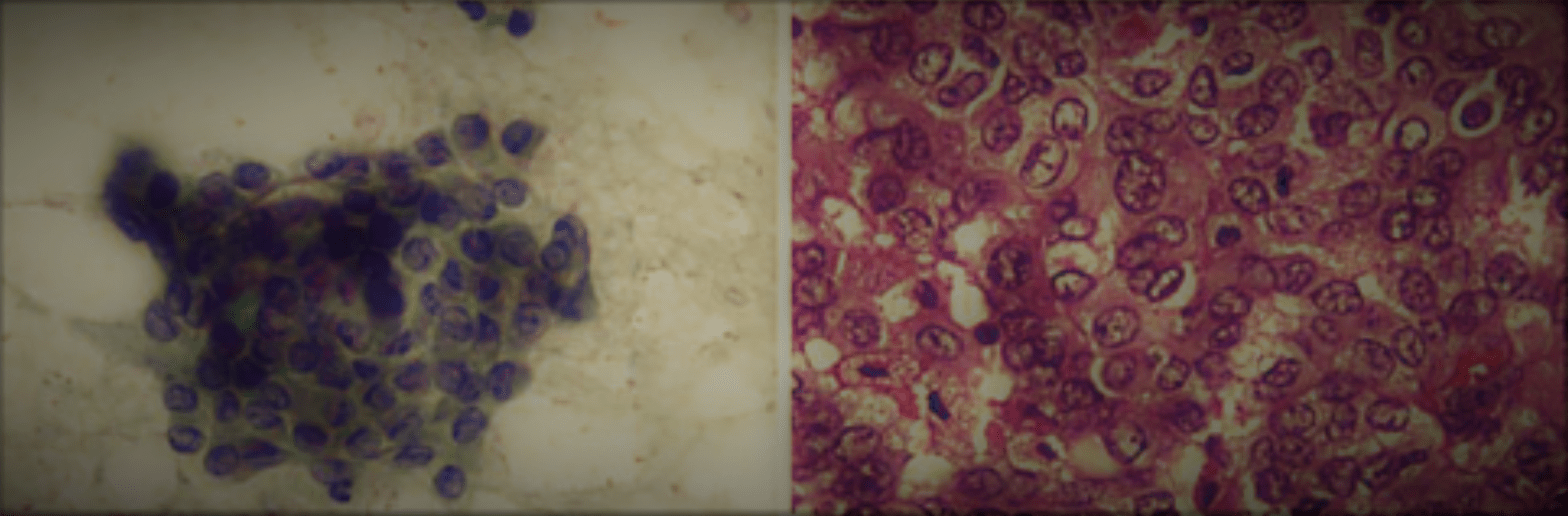
Abstract. Background: The encapsulated follicular variant (EFV) of papillary thyroid carcinoma (PTC) is the most discussed entity in thyroid pathology. Recently, the question of whether or not EFV-PTC is a malignant entity has been the subject of renewed discussion in the light of recent molecular and clinical studies. The aim of this study was toSigueSigue leyendo «New Concept of the Encapsulated Follicular Variant of Papillary Thyroid Carcinoma and Its Impact on the Bethesda System for Reporting Thyroid Cytopathology: A Single-Institute Experience.»
Archivo de categoría: Biblioteca
Risk of HSIL (CIN 2–3) on colposcopic biopsy is minimal in postmenopausal women with LSIL on cytology and a negative HRHPV test.

Abstract. Background: Current cervical cancer screening guidelines recommend a 1-year follow-up period for patients with a postmenopausal low-grade squamous intraepithelial lesion (LSIL) who are test negative for high-risk human papillomavirus (HrHPV). The aim of this study was to assess whether such patients had an increased immediate risk of high-grade squamous intraepithelial lesion. Methods: We assessedSigueSigue leyendo «Risk of HSIL (CIN 2–3) on colposcopic biopsy is minimal in postmenopausal women with LSIL on cytology and a negative HRHPV test.»
Management of ASC-US or LSIL of the uterine cervix with human papilloma virus infection among young women aged less than 25 years.
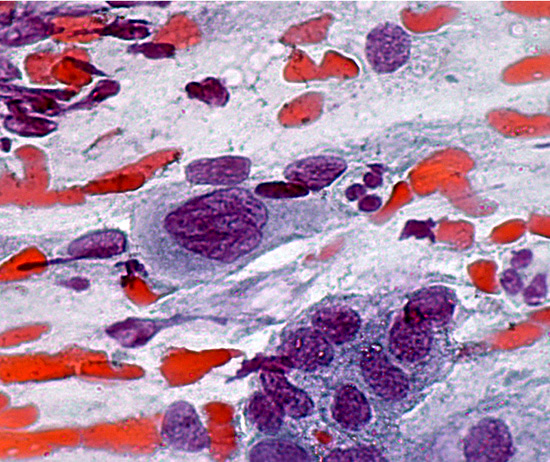
Abstract.Current ASCCP guidelines recommend repeat cytology 12 months after HPV-positive results in women aged 21–24 years with either atypical squamous cells of undetermined significance (ASCUS) or a low-grade squamous intraepithelial lesion (LSIL). The purpose of this study was to validate an algorithm in such women with ASCUS or LSIL. A multicenter cross-sectional study was carriedSigueSigue leyendo «Management of ASC-US or LSIL of the uterine cervix with human papilloma virus infection among young women aged less than 25 years.»
Breslow density is a novel prognostic feature in cutaneous malignant melanoma.
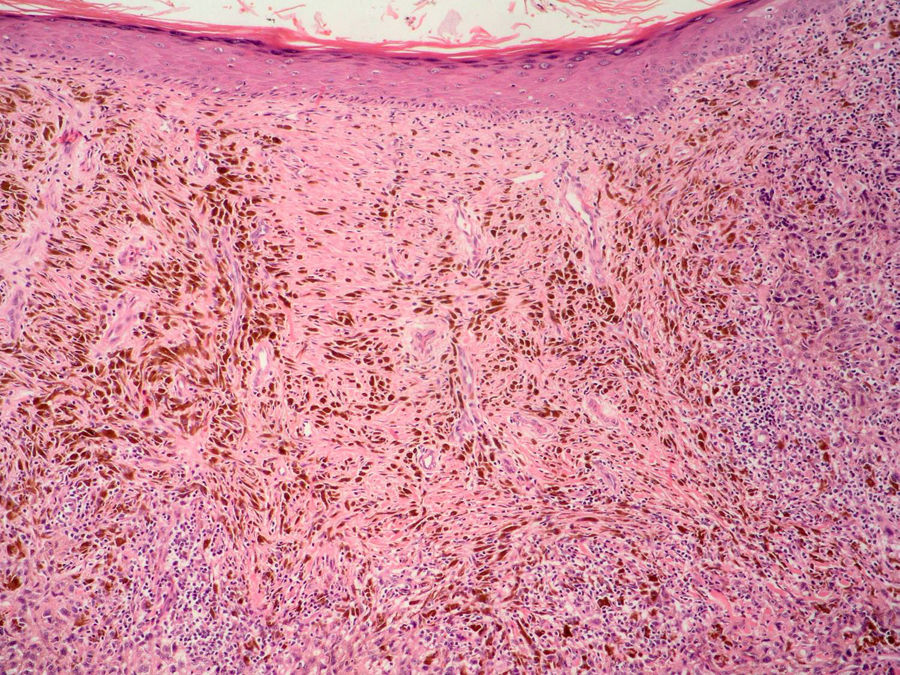
Abstract. Aims: In 1970, Breslow described his eponymously named thickness measurement. No-one has sought to enhance the Breslow thickness (BT). The aim of this study was to demonstrate a proof of concept that the density of melanoma cells at the position where the BT is measured is a morphological prognostic biomarker, which we nameSigueSigue leyendo «Breslow density is a novel prognostic feature in cutaneous malignant melanoma.»
The Role of Gynecological Cytology in the Era of Molecular Testing.
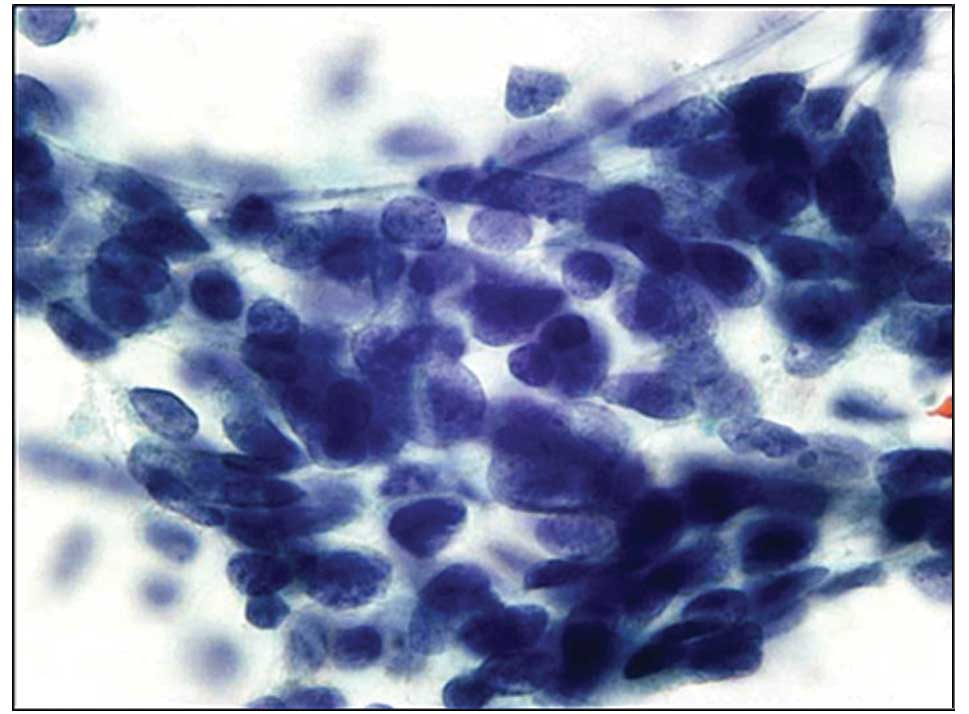
Acta Cytologica 2016;60:499-500. (DOI:10.1159/000452687). The Role of Gynecological Cytology in the Era of Molecular Testing. Longatto-Filho A. Molecular Oncology Center, Barretos Cancer Hospital, Barretos, and Laboratory of Medical Investigation 14, Faculty of Medicine, São Paulo University, São Paulo, Brazil; Life and Health Sciences Research Institute, School of Health Sciences, Minho University, Braga, Portugal. The majorSigueSigue leyendo «The Role of Gynecological Cytology in the Era of Molecular Testing.»
Four Different Tumors Arising in a Nevus Sebaceous.
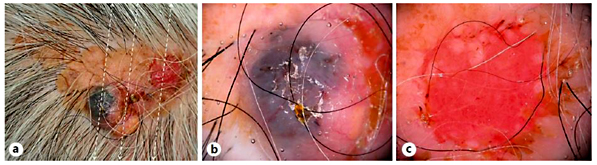
Case Rep Dermatol 2016;8:75-79. (DOI:10.1159/000445822). Four Different Tumors Arising in a Nevus Sebaceous. Namiki T.a · Miura K.b · Ueno M.a · Arima Y.a · Nishizawa A.a · Yokozeki H.a Departments of aDermatology and bPathology, Graduate School of Medical and Dental Sciences, Tokyo Medical and Dental University, Tokyo, Japan. Abstract: Nevus sebaceous is known bySigueSigue leyendo «Four Different Tumors Arising in a Nevus Sebaceous.»
Eccrine Poroma Arising within Nevus Sebaceous.
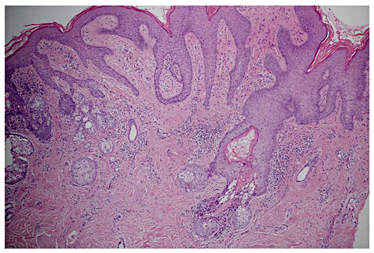
Case Rep Dermatol 2016;8:80-84. (DOI:10.1159/000445537). Eccrine Poroma Arising within Nevus Sebaceous. Girdwichai N. · Chanprapaph K. · Vachiramon V. Division of Dermatology, Department of Medicine, Faculty of Medicine Ramathibodi Hospital, Mahidol University, Bangkok, Thailand. Abstract: Nevus sebaceous is a congenital, benign hamartomatous lesion, characterized by a yellowish to skin-colored, hairless, verrucous plaque on the headSigueSigue leyendo «Eccrine Poroma Arising within Nevus Sebaceous.»
Feliz Año Nuevo – Felice Anno Nuovo – Happy New Year…!!!

Esta vez no hay cursos, conferencias, artículos científicos ni llamados a congresos médicos. Sencillamente gracias a todos aquellos que han visitado mi página en estos primeros meses de vida. Desde donde quiera que estén, desde donde viva cada uno de ustedes, sean de la religión que sean, del color de piel que sean, del regimenSigueSigue leyendo «Feliz Año Nuevo – Felice Anno Nuovo – Happy New Year…!!!»
Modeling high-grade serous carcinoma: how converging insights into pathogenesis and genetics are driving better experimental platforms.
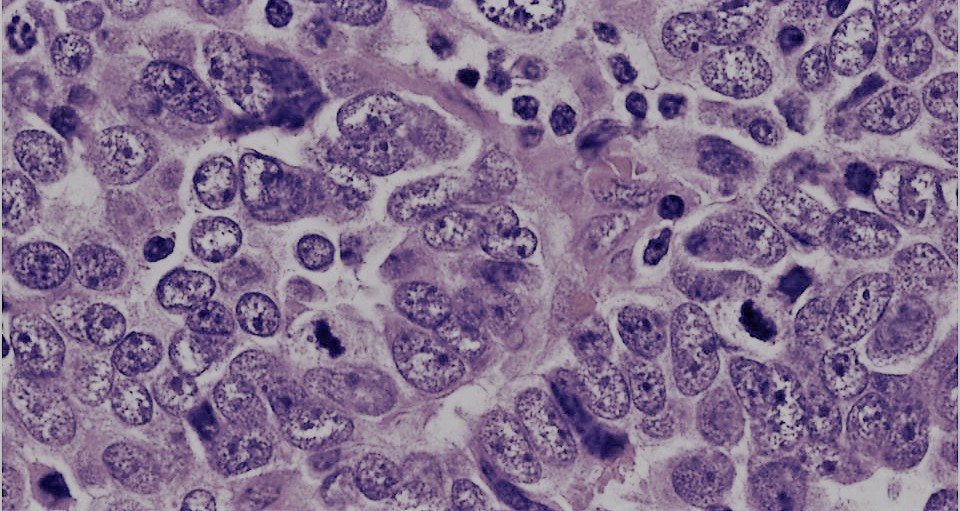
Paul Michael Jones and Ronny Drapkin. Department of Medical Oncology, Harvard Medical School, Dana-Farber Cancer Institute, Boston, MA, USA. Recent developments in the study of epithelial ovarian cancer have called into question the traditional views regarding the site of tumor initiation. Histopathologic studies and genomic analyses suggest that extra-ovarian sites, like the fallopian tube, maySigueSigue leyendo «Modeling high-grade serous carcinoma: how converging insights into pathogenesis and genetics are driving better experimental platforms.»
The fallopian tube as the origin of non-uterine pelvic high-grade serous carcinoma.
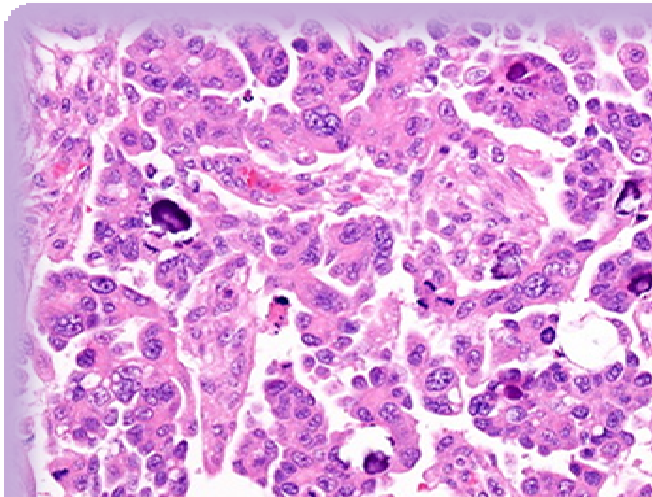
Ieera Madan Aggarwal, Yu Hui Lim, Timothy Yong Kuei Lim. Abstract. Key content: Advances in histopathology, immunohistochemistry and molecular genetics have led to evidence that the fimbrial end of the fallopian tube may be the source of origin of non-uterine high-grade pelvic serous carcinoma (HGPSC). Most of the evidence comes from studies in risk-reducing salpingo-oophorectomySigueSigue leyendo «The fallopian tube as the origin of non-uterine pelvic high-grade serous carcinoma.»
The management of endometrial polyps in the 21st century.
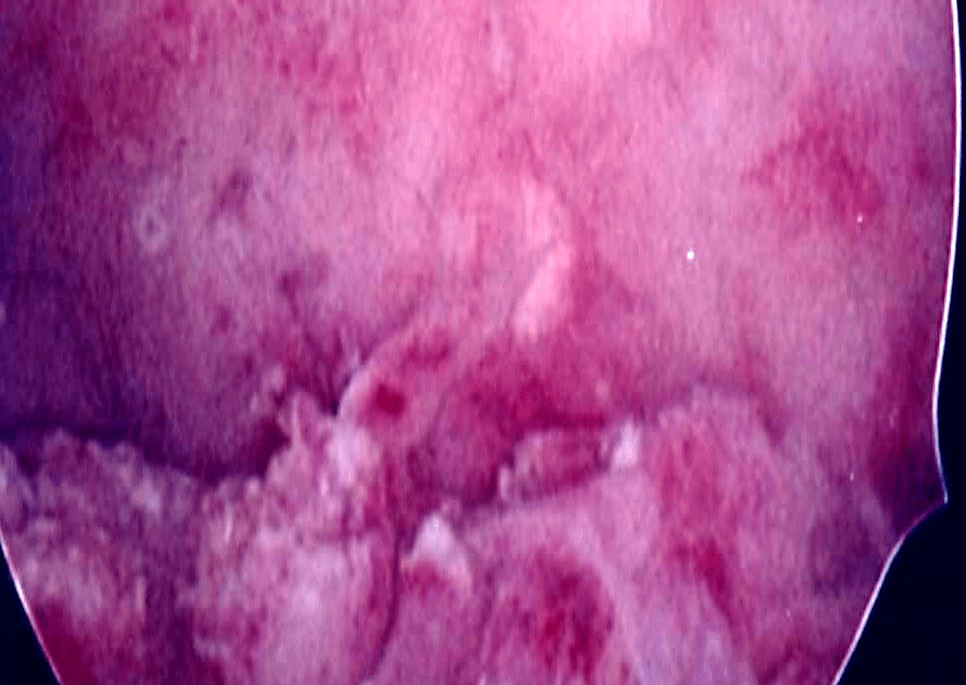
Annan JJ, Aquilina J, Ball E. The management of endometrial polyps in the 21st century. The Obstetrician & Gynaecologist 2012;14:33–38. Abstract. Key content: Hysteroscopic endometrial polyp removal appears to be superior to the current practice of blind avulsion. Outpatient treatment is safe, cost effective and well tolerated, even in older or nulliparous women. New technologiesSigueSigue leyendo «The management of endometrial polyps in the 21st century.»
Influence of decalcification procedures on immunohistochemistry and molecular pathology in breast cancer.
Willemijne A M E Schrijver, Petra van der Groep, Laurien DC Hoefnagel, Natalie D ter Hoeve, Ton Peeters, Cathy B Moelans and Paul J van Diest. Department of Pathology, University Medical Center Utrecht, Utrecht, The Netherlands. Cancer Center, University Medical Center Utrecht, Utrecht, The Netherlands. Abstract: Distant breast cancer metastases are nowadays routinely biopsied to reassess receptor status and to isolateSigueSigue leyendo «Influence of decalcification procedures on immunohistochemistry and molecular pathology in breast cancer.»
 Dr Enrique Vicente Greco - Médico