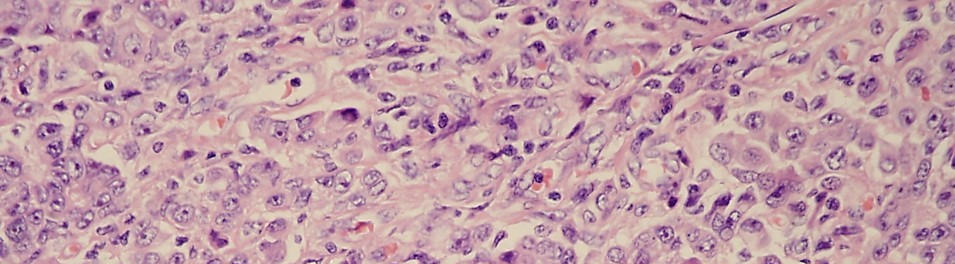
Subtype Classification of Lung Adenocarcinoma Predicts Benefit From Adjuvant Chemotherapy in Patients Undergoing Complete Resection Abstract Purpose: The classification for invasive lung adenocarcinoma by the International Association for the Study of Lung Cancer, American Thoracic Society, European Respiratory Society, and WHO is based on the predominant histologic pattern-lepidic (LEP), papillary (PAP), acinar (ACN), micropapillary (MIP), orSigueSigue leyendo «Beneficios de la Subclasificación del Adenocarcinoma de Pulmón.»
Archivo de etiqueta: Año 2015
XVI Congreso Internacional de la Sociedad de Obstetricia y Ginecología de la Provincia de Buenos Aires (SOGBA).

Se realizó el XVI Congreso Internacional de la Sociedad de Obstetricia y Ginecología de la Provincia de Buenos Aires (SOGBA). XXVII Jornadas Internacionales de la Sociedad de Obstetricia y Ginecología de Mar del PLata. Contó con el auspicio de The American College of Obstetricians and Gynecologists (ACOG). Sheraton Mar del Plata. Mar delSigueSigue leyendo «XVI Congreso Internacional de la Sociedad de Obstetricia y Ginecología de la Provincia de Buenos Aires (SOGBA).»
When Thyroid Carcinoma Goes Bad: A Morphological and Molecular Analysis.
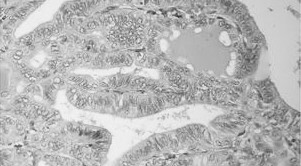
Head and Neck Pathology: Abstract. Thyroid carcinomas of follicular epithelial derivation are common and generally well-behaved malignancies with excellent cure and survival rates. However, a subset of these carcinomas, whether well-differentiated, poorly differentiated, or anaplastic, is highly aggressive, manifesting with local invasion, recurrence, and distant metastasis. The recognition of dedifferentiation is of paramount importance. InSigueSigue leyendo «When Thyroid Carcinoma Goes Bad: A Morphological and Molecular Analysis.»
Molecular Pathways in Gliomagenesis and Their Relevance to Neuropathologic Diagnosis.
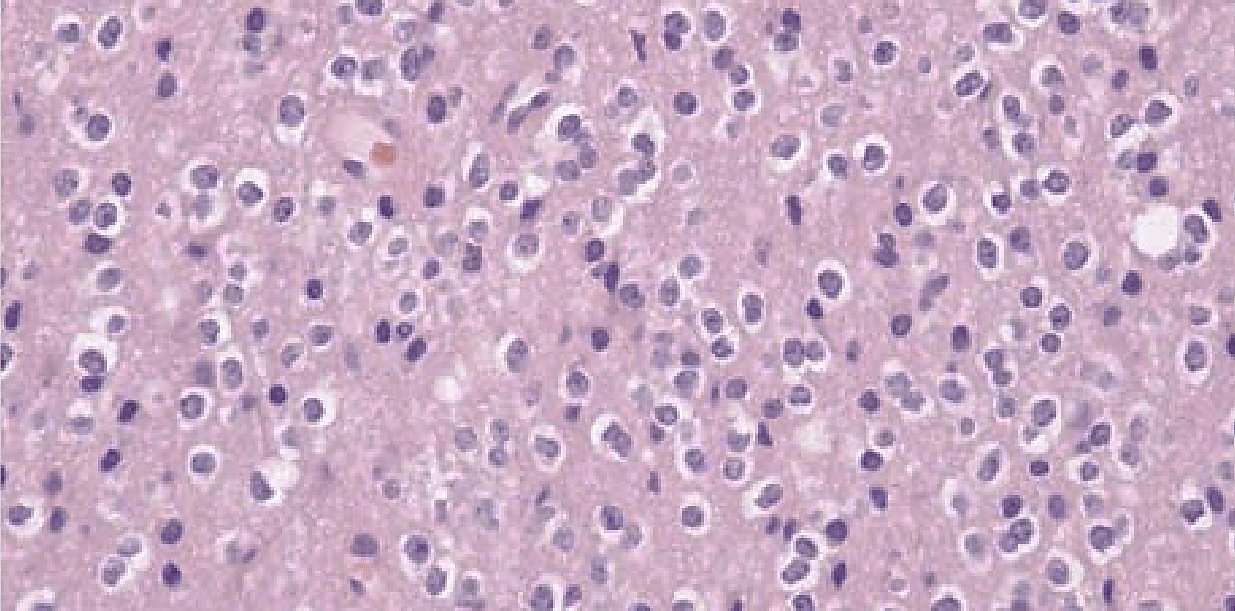
Abstract. Gliomas are a large and diverse group of primary brain tumors that include those that are diffusely infiltrative and others that are well-circumscribed and low grade. Diffuse gliomas are currently classified by the World Health Organization as astrocytomas, oligodendrogliomas, or oligoastrocytomas and range in grade from II to IV. Glioblastoma (GBM), World Health OrganizationSigueSigue leyendo «Molecular Pathways in Gliomagenesis and Their Relevance to Neuropathologic Diagnosis.»
The Papanicolaou Society of Cytopathology System for Reporting Pancreaticobiliary Cytology.

The Papanicolaou Society of Cytopathology System for Reporting Pancreaticobiliary Cytology. The Papanicolaou Society of Cytopathology System for Reporting Pancreaticobiliary Cytology: Definitions, Criteria, Ancillary Testing and Management will provide the reader with a unified approach to diagnosing and reporting interpretations of cytologic specimens obtained from the pancreaticobiliary tract. This text/atlas will serve as a reference guideSigueSigue leyendo «The Papanicolaou Society of Cytopathology System for Reporting Pancreaticobiliary Cytology.»
Neoplastic Gastrointestinal Pathology. An Illustrated Guide.

Neoplastic Gastrointestinal Pathology. An Illustrated Guide. This concisely written, abundantly illustrated guide to a wide range of topics in gastrointestinal neoplasia facilitates the evaluation and accurate diagnosis of gastrointestinal neoplasms, both straightforward and challenging. This approachable guide covers the entire tubular GI tract and features more than 600 high quality images.
Color Atlas and Synopsis. Gastrointestinal Pathology.
Color Atlas and Synopsis. Gastrointestinal Pathology. In marked contrast to the standard heavy, dense pathology textbook, Dr. Shu-Yuan Xiao has created the first practical “field guide” for gastrointestinal pathology, expressly written to support fast, accurate diagnosis. Practical Gastrointestinal Pathology walks readers through differential diagnosis, whether it be following a pattern of tissue injury or askingSigueSigue leyendo «Color Atlas and Synopsis. Gastrointestinal Pathology.»
A Contemporary Prostate Cancer Grading System: A Validated Alternative to the Gleason Score
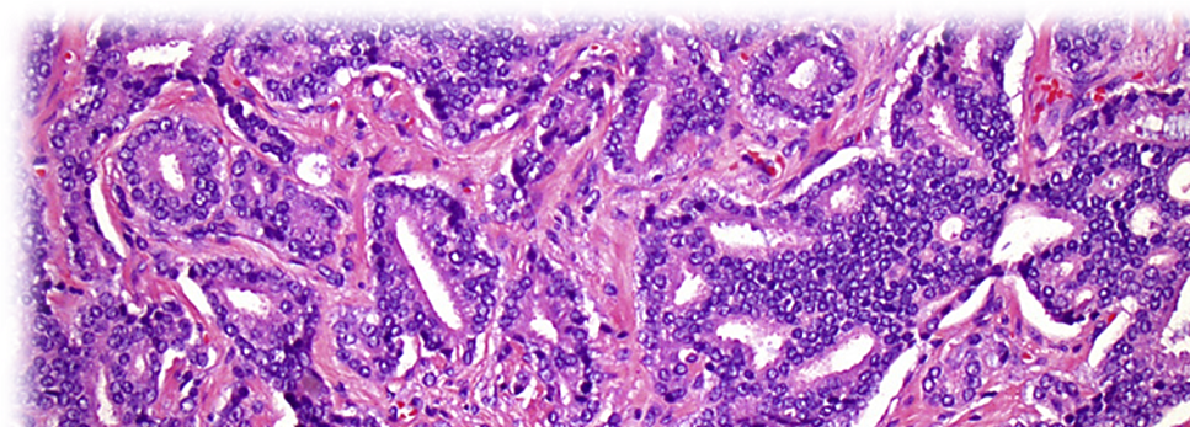
Abstract Background Despite revisions in 2005 and 2014, the Gleason prostate cancer (PCa) grading system still has major deficiencies. Combining of Gleason scores into a three-tiered grouping (6, 7, 8–10) is used most frequently for prognostic and therapeutic purposes. The lowest score, assigned 6, may be misunderstood as a cancer in the middle of theSigueSigue leyendo «A Contemporary Prostate Cancer Grading System: A Validated Alternative to the Gleason Score»
Programa de Actualización Anual en Mastología. FASGO 2015

Programa de Actualización Anual en Mastología. FASGO 2015 Organizado por la Federación Argentina de Sociedades de Ginecología y Obstetricia.Coordinadora General Dra Olga Susana Alvarez. Preservación de la fertilidad en cáncer de mama. Ginecomastia. Cáncer de mama triple negativo. Bi-rads 5a edición: Mamográfico y ecográfico. Recidivas locales postratamiento conservador. Aspectos psicosociales del cáncer de mama. UnaSigueSigue leyendo «Programa de Actualización Anual en Mastología. FASGO 2015»
Curso Internacional – SAP 2015

Curso Internacional – SAP 2015 Organizado por la Sociedad Argentina de Patología. Realizado los días viernes 20 y sábado 21 de noviembre de 2015 en el Hotel Plaza Real de la Ciudad de Rosario. INVITADOS EXTRANJEROS. Dra. Virginia A. Livolsi. Patología Tiroidea. Hospital de la Universidad de Pensilvania – USA Dra. Anais Malpica. Tumores deSigueSigue leyendo «Curso Internacional – SAP 2015»
III Congreso Iberopanamericano de Dermatología Pediátrica.

La Asociación Argentina de Dermatología Pediátrica (ASADEPE) informa la realización de: III Congreso Iberopanamericano de Dermatología Pediátrica. XI Congreso Nacional Argentino de Dermatología Pediátrica I Encuentro Internacional de Genodermatosis y Epidermólisis Ampollar – CEDIGEA del 22 al 24 de octubre de 2015 en el Aula Magna de la Facultad de Medicina de la Universidad deSigueSigue leyendo «III Congreso Iberopanamericano de Dermatología Pediátrica.»
Curso: Virus del Papiloma Humano y Tracto Genital Inferior
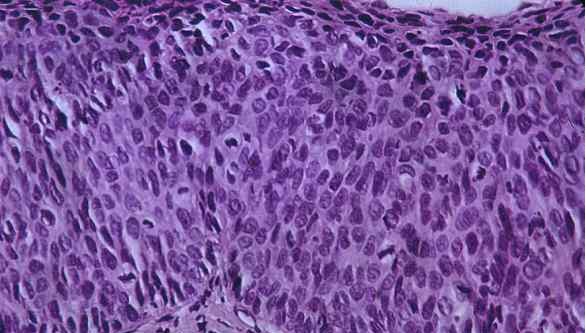
Escuela Argentina de Ginecología y Obstetricia CURSO VIRUS DEL PAPILOMA HUMANO (HPV) Y TRACTO GENITAL INFERIOR 2015 Aspectos biológicos, epidemiológicos y diagnósticos. Biología del Virus Papiloma Humano. Dr. Mariano Grilli. Epidemiología de la infección por HPV en TGI.Dr. Mariano Grilli. Mecanismos de oncogénesis por HPV. Dr. Diego Habich. Inmunología y evasión inmune. Dr. Diego Habic.SigueSigue leyendo «Curso: Virus del Papiloma Humano y Tracto Genital Inferior»
 Dr Enrique Vicente Greco - Médico