
Abstract. Background: Current cervical cancer screening guidelines recommend a 1-year follow-up period for patients with a postmenopausal low-grade squamous intraepithelial lesion (LSIL) who are test negative for high-risk human papillomavirus (HrHPV). The aim of this study was to assess whether such patients had an increased immediate risk of high-grade squamous intraepithelial lesion. Methods: We assessedSigueSigue leyendo «Risk of HSIL (CIN 2–3) on colposcopic biopsy is minimal in postmenopausal women with LSIL on cytology and a negative HRHPV test.»
Archivo de etiqueta: Ginecopatología
Management of ASC-US or LSIL of the uterine cervix with human papilloma virus infection among young women aged less than 25 years.
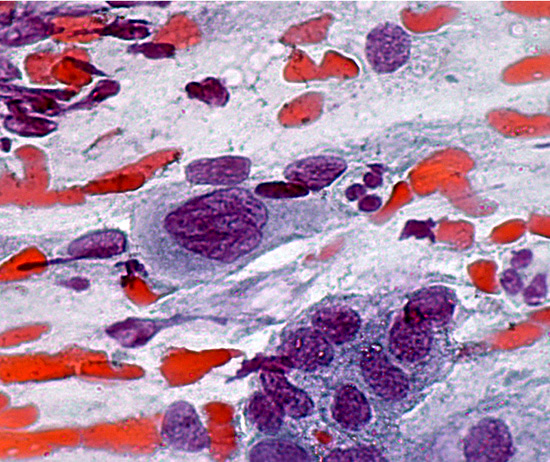
Abstract.Current ASCCP guidelines recommend repeat cytology 12 months after HPV-positive results in women aged 21–24 years with either atypical squamous cells of undetermined significance (ASCUS) or a low-grade squamous intraepithelial lesion (LSIL). The purpose of this study was to validate an algorithm in such women with ASCUS or LSIL. A multicenter cross-sectional study was carriedSigueSigue leyendo «Management of ASC-US or LSIL of the uterine cervix with human papilloma virus infection among young women aged less than 25 years.»
Modeling high-grade serous carcinoma: how converging insights into pathogenesis and genetics are driving better experimental platforms.
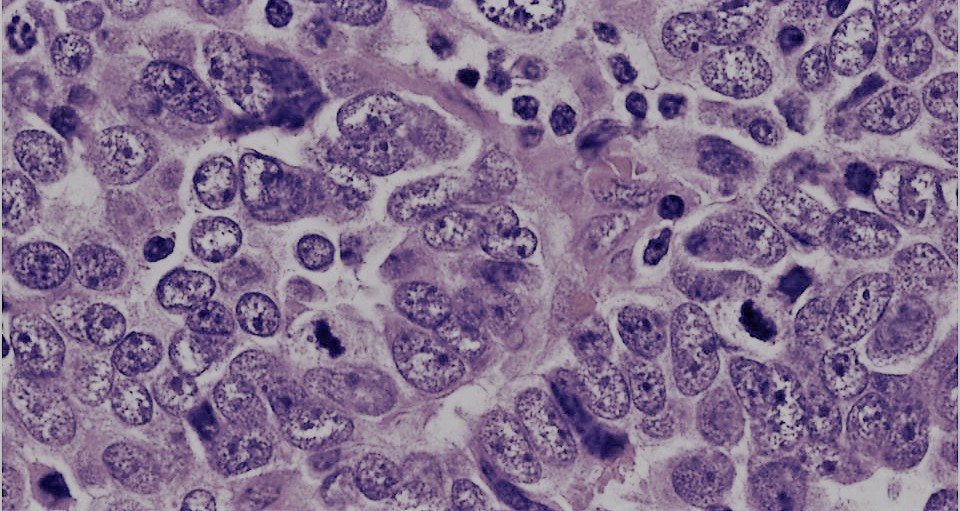
Paul Michael Jones and Ronny Drapkin. Department of Medical Oncology, Harvard Medical School, Dana-Farber Cancer Institute, Boston, MA, USA. Recent developments in the study of epithelial ovarian cancer have called into question the traditional views regarding the site of tumor initiation. Histopathologic studies and genomic analyses suggest that extra-ovarian sites, like the fallopian tube, maySigueSigue leyendo «Modeling high-grade serous carcinoma: how converging insights into pathogenesis and genetics are driving better experimental platforms.»
The fallopian tube as the origin of non-uterine pelvic high-grade serous carcinoma.
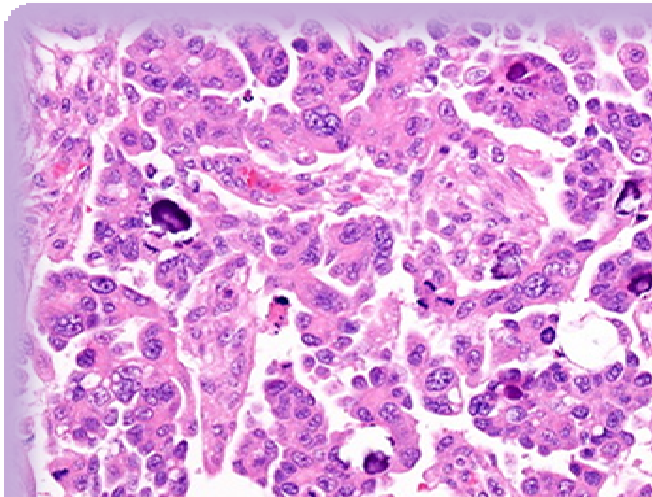
Ieera Madan Aggarwal, Yu Hui Lim, Timothy Yong Kuei Lim. Abstract. Key content: Advances in histopathology, immunohistochemistry and molecular genetics have led to evidence that the fimbrial end of the fallopian tube may be the source of origin of non-uterine high-grade pelvic serous carcinoma (HGPSC). Most of the evidence comes from studies in risk-reducing salpingo-oophorectomySigueSigue leyendo «The fallopian tube as the origin of non-uterine pelvic high-grade serous carcinoma.»
The management of endometrial polyps in the 21st century.
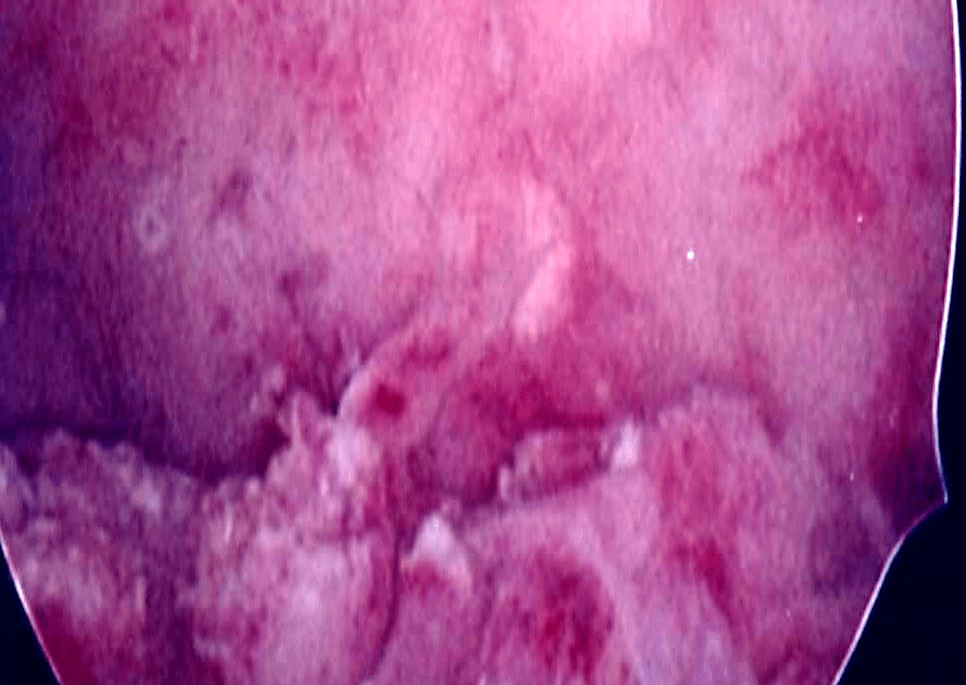
Annan JJ, Aquilina J, Ball E. The management of endometrial polyps in the 21st century. The Obstetrician & Gynaecologist 2012;14:33–38. Abstract. Key content: Hysteroscopic endometrial polyp removal appears to be superior to the current practice of blind avulsion. Outpatient treatment is safe, cost effective and well tolerated, even in older or nulliparous women. New technologiesSigueSigue leyendo «The management of endometrial polyps in the 21st century.»
Hidradenoma papilífero. Dos artículos. Dos localizaciones. Anal y Vulvar.
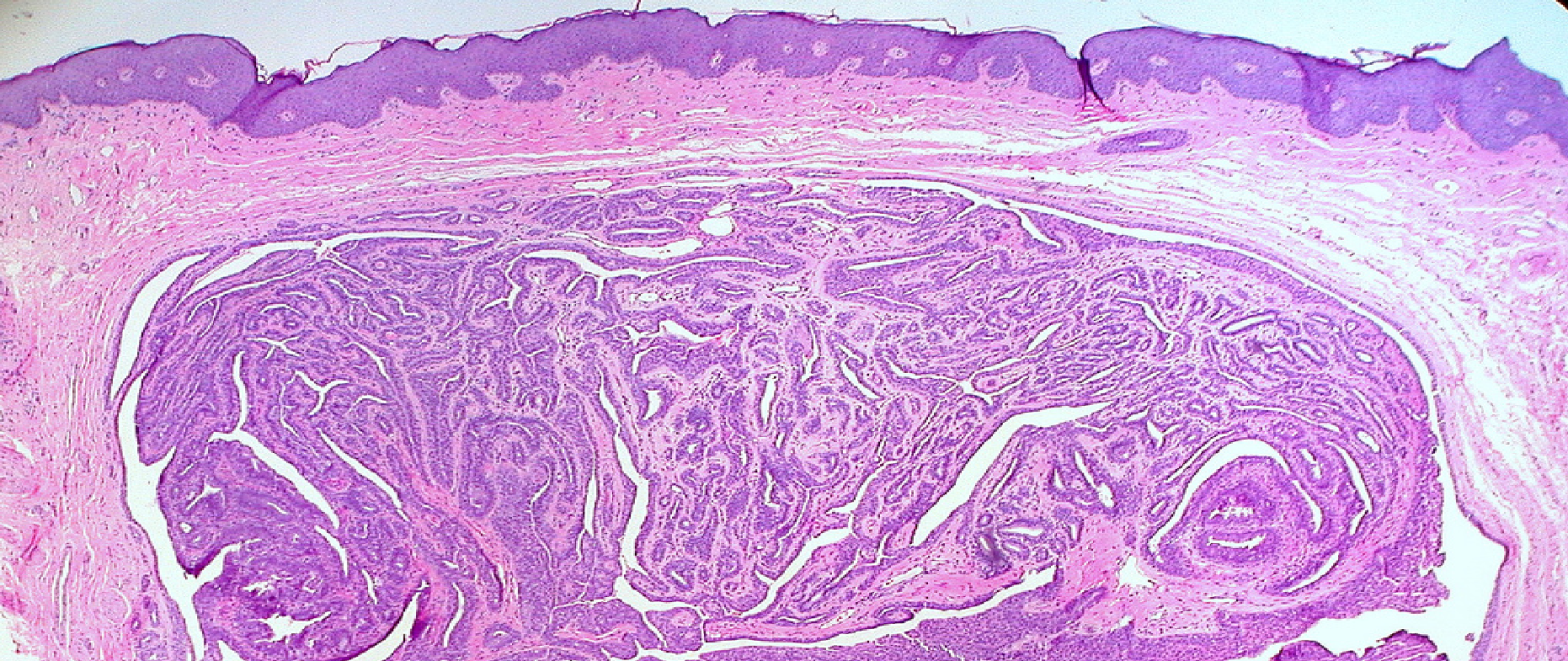
Hidradenoma papilífero anal: presentación de un caso y revisión de la literatura. Resumen El hidradenoma papilífero (HAP) es una neoplasia benigna, quística y papilar poco frecuente que aparece generalmente en la vulva, aunque también se ha descrito en otras localizaciones. Presentamos el caso de una mujer de 47 años con un HAP localizado en elSigueSigue leyendo «Hidradenoma papilífero. Dos artículos. Dos localizaciones. Anal y Vulvar.»
Cervical cancer prevention and screening: the role of human papillomavirus testing. Review.
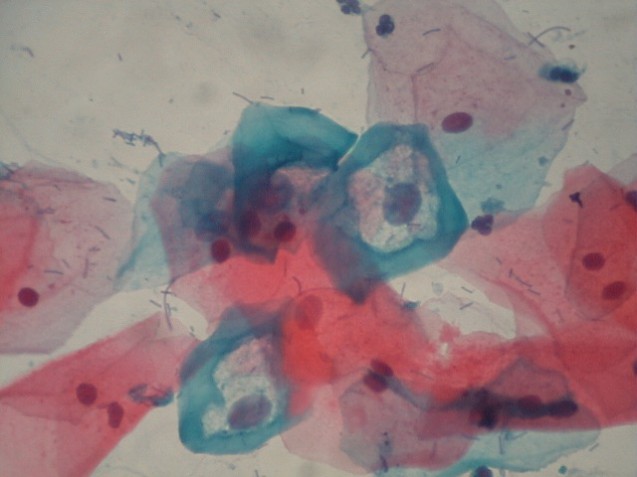
Abstract Key content An organised screening programme has reduced the incidence of cervical cancer in the UK. Cervical screening aims to detect and treat premalignant, low- or high-grade disease. Oncogenic or high-risk human papillomaviruses (HR-HPV) account for over 99.7% of cervical cancer cases; the most common subtypes are HPV-16, 18, 31, 33 and 45.SigueSigue leyendo «Cervical cancer prevention and screening: the role of human papillomavirus testing. Review.»
The Natural History of Vulvar Intraepithelial Neoplasia, Differentiated Type: Evidence for Progression and Diagnostic Challenges.
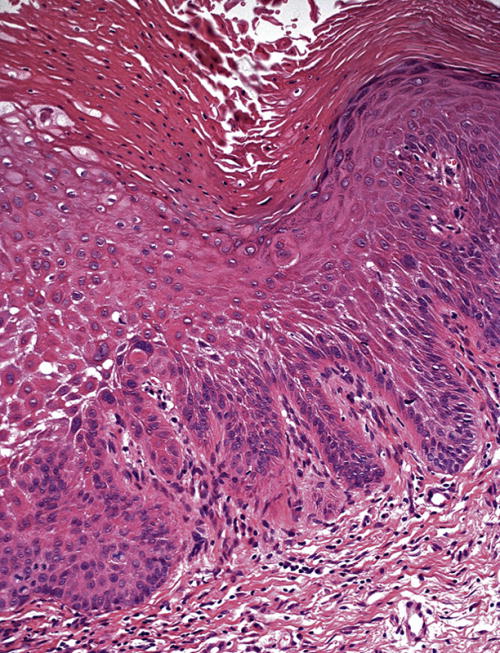
Middlemore Hospital (S.M.B.), Auckland, New Zealand; Department of Gynecological Oncology (L.J.E., K.L.F., R.W.J.), Auckland City Hospital, Auckland, New Zealand. The authors declare no conflict of interest. Abstract. Squamous cell carcinoma of the vulva (SCCV) develops through either human papillomavirus (HPV)-dependent or HPV-independent pathways. Approximately 60% of SCCV arise independently of HPV, commonly in a backgroundSigueSigue leyendo «The Natural History of Vulvar Intraepithelial Neoplasia, Differentiated Type: Evidence for Progression and Diagnostic Challenges.»
Workshop Internacional de Patología Vulvovaginal – Lima 2016.

Se realizó el Workshop Internacional de Patología Vulvovaginal. Clínica Dos Esencias que contó con el auspicio de la International Society for the Study of Vulvovaginal Diseases (ISSVD), Colegio Médico del Perú y Sociedad Peruana de Ginecología y Obstetricia. Lima. Perú. 8 y 9 de diciembre. Programa. Jueves 8 de diciembre de 2016. 08:00 – Inscripciones.SigueSigue leyendo «Workshop Internacional de Patología Vulvovaginal – Lima 2016.»
XXVIII Congreso de la Asociación Española de Patología Cervical y Colposcopia.

XXVIII Congreso de la Asociación Española de Patología Cervical y Colposcopia. 24 al 26 de noviembre de 2016. CARTA DE BIENVENIDA. Estimados amigos y colegas: Las Palmas de Gran Canaria será la sede del XXVIII Congreso de la Asociación Española de Patología Cervical y Colposcopia. Es la segunda vez que nuestra ciudad va a acogerSigueSigue leyendo «XXVIII Congreso de la Asociación Española de Patología Cervical y Colposcopia.»
Jornadas Internacionales de Patología – 2017. Academia Internacional de Patología – División Argentina.

La División Argentina de la Academia Internacional de Patología informa la realización de las JORNADAS INTERNACIONALES DE PATOLOGIA los días jueves 11 y viernes 12 de mayo de 2017. Las mismas se desarrollarán en el Hotel Castelar sito en la Av. de Mayo 1152 de la Ciudad Autónoma de Buenos Aires, Argentina. INVITADOS INTERNACIONALES GeorgeSigueSigue leyendo «Jornadas Internacionales de Patología – 2017. Academia Internacional de Patología – División Argentina.»
3° Encuentro Nacional de Obstetricia y Ginecología de las Sierras de Tandil -2017

CONFIRMACIÓN DE FECHA: del 30 de marzo al 1 de abril de 2017. La Sociedad de Obstetricia y Ginecología de Tandil anuncia la organización del 3° Encuentro Nacional de Obstetricia y Ginecología de las Sierras de Tandil para el año 2017. Más información en el siguiente enlace.
 Dr Enrique Vicente Greco - Médico